.png)
Allergic to Hair Dye? Here's What You Need to Know
Symptoms of Allergies to Conventional Hair Dye
If you've ever experienced itching, burning, swelling, or irritation after coloring your hair, you're not alone. Every year, thousands of people develop sensitivities or allergies to conventional permanent hair dyes, often after using them for years without any previous reaction.
For many people, the first symptoms are dismissed as "normal irritation." But when those symptoms become more severe or continue to worsen with each color appointment, it may be a sign that your body is reacting to one or more ingredients in conventional hair color.
The good news is that experiencing a hair dye allergy doesn't always mean your hair coloring journey has to end. Understanding what's happening—and exploring safer alternatives—can help you continue coloring your hair with greater confidence.
What Causes Conventional Hair Dye Allergies?
One of the most common allergens found in permanent oxidative hair dyes is para-phenylenediamine (PPD). PPD is widely used because it creates long-lasting, permanent color, especially darker shades.
However, PPD is also one of the most well-known contact allergens in cosmetic products. Once someone becomes sensitized, future exposures can trigger increasingly severe reactions. Other ingredients found in conventional hair color formulations may also contribute to irritation or allergic responses, depending on the individual.
Common Symptoms of Conventional Hair Dye Allergy
Symptoms can appear during the color service or several hours—even days—after application.
Common signs include:
Itching of the scalp
Burning or stinging sensation
Headaches
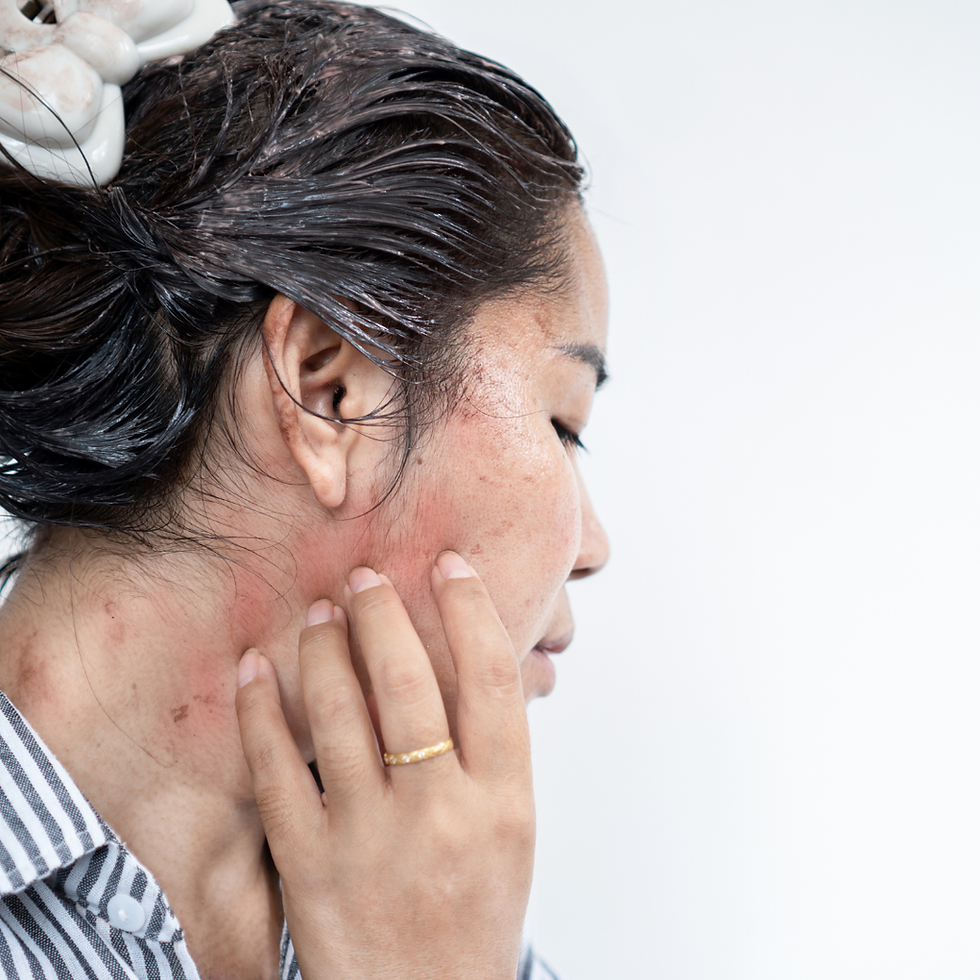
Redness around the hairline, ears, or neck
Swelling of the scalp, eyelids, face, or ears
Rash or blisters
Dry, cracked, or peeling skin
Excessive scalp irritation
Weeping or oozing skin in severe reactions
Some individuals may experience progressively stronger reactions with each exposure.
Side Effects Beyond the Scalp
For some people, reactions extend beyond simple skin irritation.
Depending on the severity of the allergy, symptoms may include:
Facial swelling
Eye irritation
Difficulty sleeping due to itching or discomfort
Widespread skin inflammation
Increased sensitivity to future hair coloring
Although uncommon, severe allergic reactions can occur and require immediate medical attention.
If you experience difficulty breathing, swelling of the tongue or throat, or signs of a severe allergic reaction, seek emergency medical care immediately.
Why Do Allergies Develop Suddenly?
Many clients are surprised because they've colored their hair for years without any issues.
This happens because allergies often develop through repeated exposure. Your immune system can become sensitized over time until one day it recognizes an ingredient as something harmful, triggering an allergic response.
Unfortunately, once a true allergy develops, continued exposure often leads to stronger reactions.
What Should You Do If You Think You're Allergic?
If you suspect you're experiencing a hair dye allergy:
Stop using the product immediately.
Wash the hair and scalp thoroughly according to the product's instructions.
Contact your healthcare provider if symptoms are significant or persistent.
Seek emergency medical care for severe reactions, especially swelling that affects breathing.
Avoid reusing the same product until you've received professional medical advice.
Is There an Alternative?
For many people, botanical hair color offers another path forward.
Professional botanical hair color uses plant-based ingredients instead of conventional oxidative dye chemistry. While botanical color is not appropriate for every client or every desired result, many individuals who are looking for a gentler coloring approach begin exploring botanical options after developing sensitivities to traditional hair dyes.
At BotaniHUE, we specialize in professional botanical hair color made from 100% plant ingredients that contain no PPD and no metallic salts. Every client's hair, color history, and goals are unique, which is why we begin with a personalized consultation before recommending a botanical color plan.
It's important to remember that "natural" does not automatically mean "allergy-free." Any plant or ingredient has the potential to cause an allergic reaction in susceptible individuals. Clients with known allergies should discuss their medical history with their healthcare provider and consult with an experienced botanical color professional before beginning any new color service.
A Different Way to Think About Hair Color
Many clients don't seek botanical hair color simply because it's natural. They seek it because they're looking for a coloring experience that aligns with their personal wellness goals, respects the condition of their hair and scalp, or provides an option after developing sensitivities to conventional hair dyes.
At BotaniHUE, we believe beautiful hair color begins with understanding the individual—not just selecting a shade. Through personalized consultations, customized botanical formulations, and careful observation throughout the natural oxidation process, we help clients achieve healthy-looking color while working with nature's own palette.
Considering Botanical Hair Color?
Whether you've experienced a reaction to conventional hair dye or you're simply looking for a plant-based alternative, we're here to help you understand your options.
Schedule a virtual consultation to learn whether botanical hair color may be a good fit for your hair goals.


Comments